
How storytelling + a Netflix-worthy production came together to redefine learning
What if your next workplace training felt more like an addictive TV series than a traditional course? Bridging Worlds is an unexpected course series from Exclusive publisher OpenDoors. With confessional moments and reality-style storytelling, this “sitcom meets reality series” reshapes how we train for complex (and dramatic!) workplace dynamics. These stories aren’t just entertaining; they spark empathy, curiosity, and honest conversation.
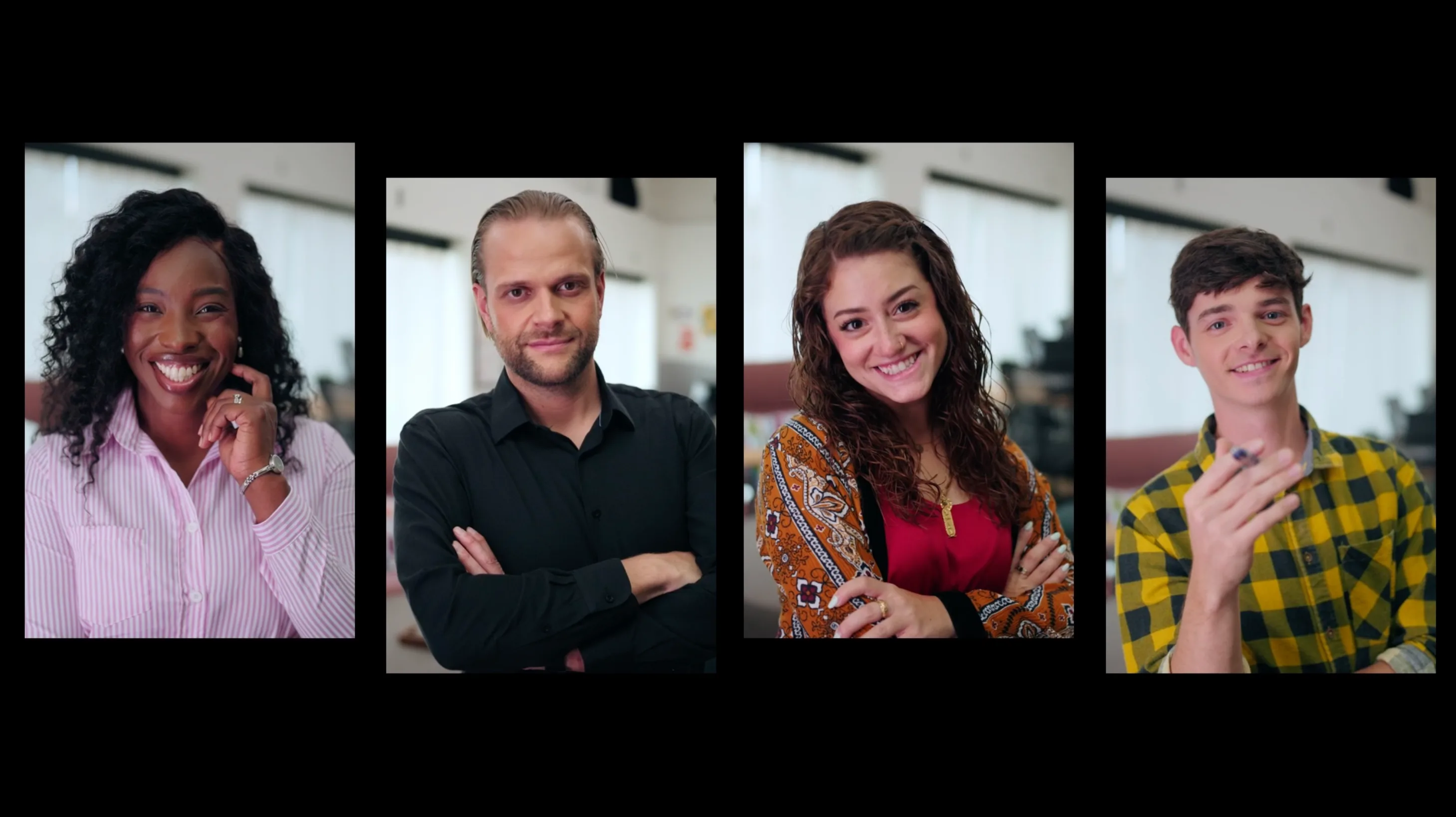
After binging the series, I wanted to know what it can do that typical eLearning formats can't. So, I sat down with the Lead Developer (LD) behind the series and Vince, the director and editor from DLR Studios.
Why did you choose a storytelling and confessional format?
LD: “So I had the idea — what if we do dual perspectives? I do watch some reality TV. They're talking about the same situation, but their perspectives keep clashing. Confessionals really highlight what the person is thinking and what their actual takeaway is from what just happened. And we can see that twice, with dual perspectives.”
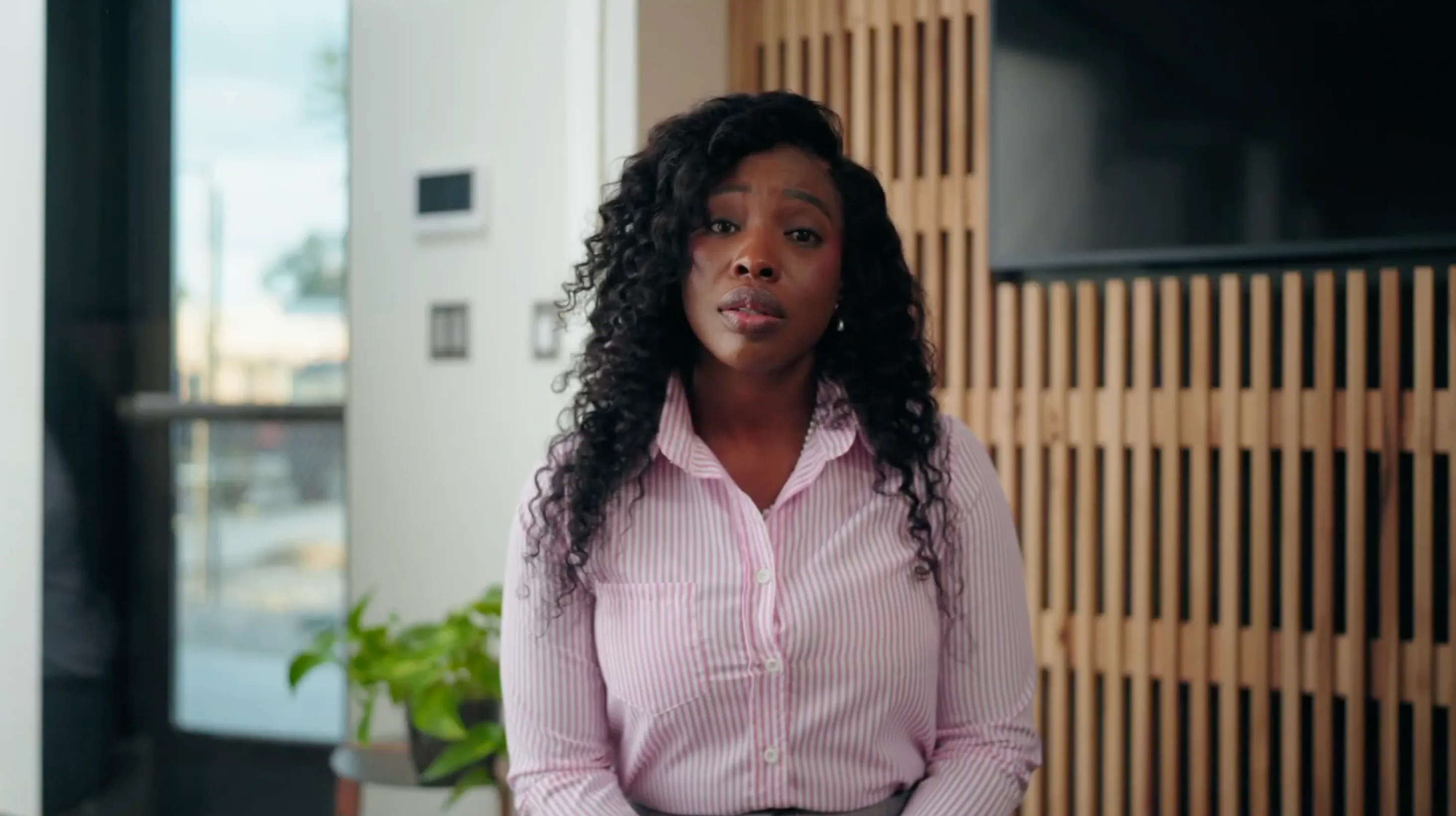
Naomi's confessional in Bridging Worlds: The Culture of Disagreeing at Work
Vince, when you first received the scripts, what excited you about producing this series?
Vince: “I’ve worked on many ‘talking-head’ style Open Sesame courses, and I think there's a lot of great content in those. But these courses are presented so you can live vicariously through the characters and learn as if you were in their situation. This is less like a course and more like a sitcom.”
"It's less like a course and more like a sitcom."
-Vince, Director
What kinds of production techniques did you use to make it feel cinematic?
Vince: “The credit for the cinematic look we achieved all goes to our lighting team and our DP, Rikki Lu. They're just really good at making it look more like a movie, rather than the flat, fluorescent lighting you get in office environments. It comes down to selecting interesting camera angles, using motivated lighting, and choosing excellent locations and set design. It was really fun to see them light the space in a way that looked great while staying on schedule. In the edit, I tried to keep it snappy.”
How did you approach the learning design for this series?
LD: “Workplace training is a lot of 'I'm gonna talk at you and tell you what to do'… So for these courses, a lot of it was designed around social learning, where you're observing situations, personally reflecting on them and yourself, and then hopefully bridging into L&D managers or leaders who want to bring these types of courses into their own team development.”
What was the inspiration behind this series?
LD: “The problem we wanted to solve was, ‘How can you work and interact with people who show up differently than you?’ Because, people communicate differently, make decisions differently, and even build trust differently.”
What do you hope learners take away from this experience?
LD: “Stay curious about others. That's pretty much the big thing.”
"Stay curious about others"
- OpenDoors Lead Developer
Vince: “Give people the benefit of the doubt; their emotions are high because they care about what's happening.”
And this series is about culture, but what does that mean exactly?
LD: “I think a lot of confusion around culture is that it's just about 'ethnicity’. This is really not what we're talking about in this series. Ethnicity absolutely influences how we show up at work, but even people from the same cultures with similar backgrounds can still act differently. We want people to focus, for example, on how you're communicating. Are you more direct or indirect, or do you fall in between? Or do you switch based on circumstances? Things like that."
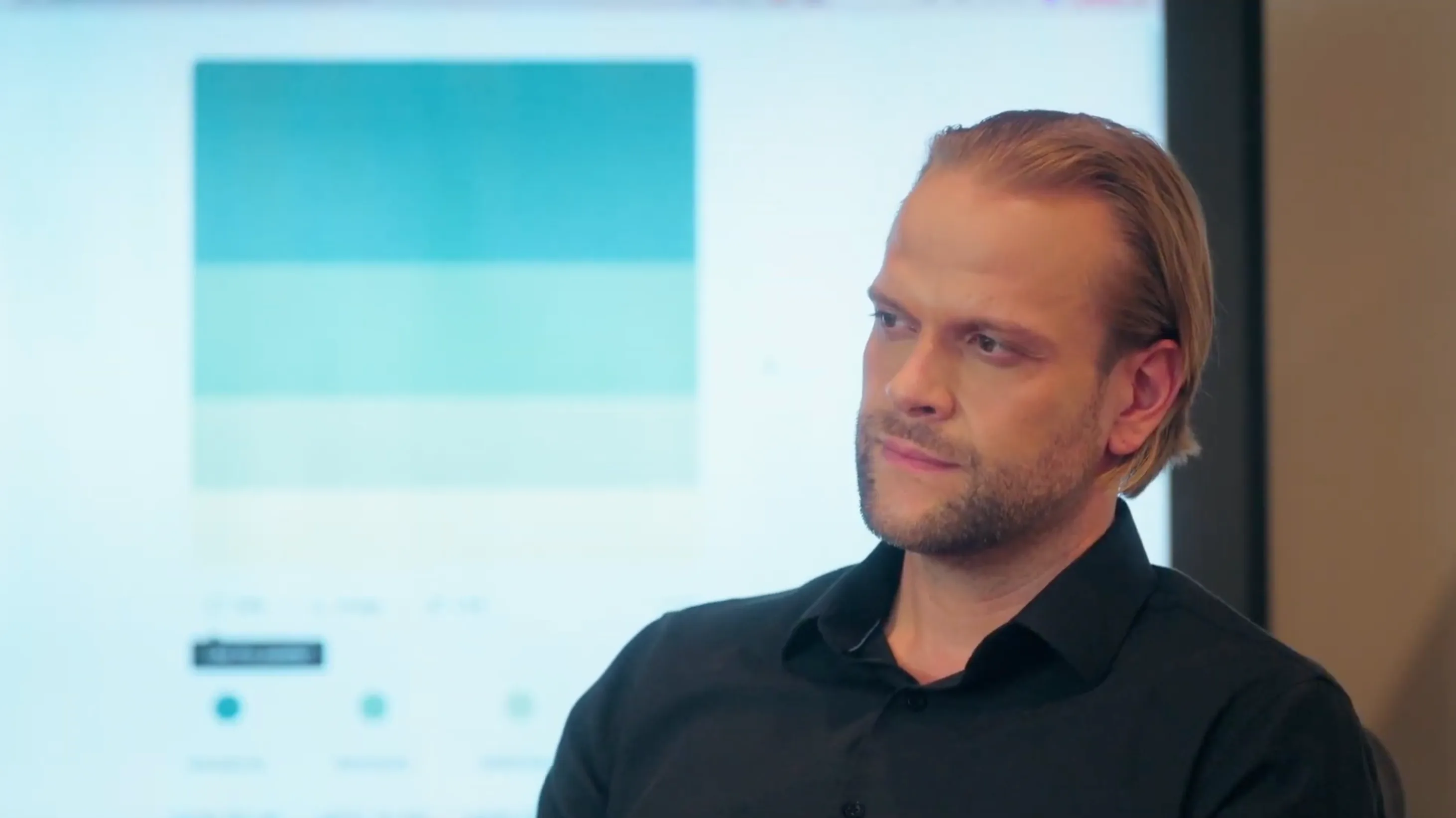
Explore how different communication styles collide in Bridging Worlds: The Culture of Communication at Work
I noticed this series really doesn’t tell learners what to do. Why was that important?
Vince: “The characters and story never portray somebody as wrong…There’s never a punitive or shameful approach to correcting behaviors; it’s more like, 'Hey, we understand each other better because of this experience, and, moving forward, we know how to interact with each other better.'
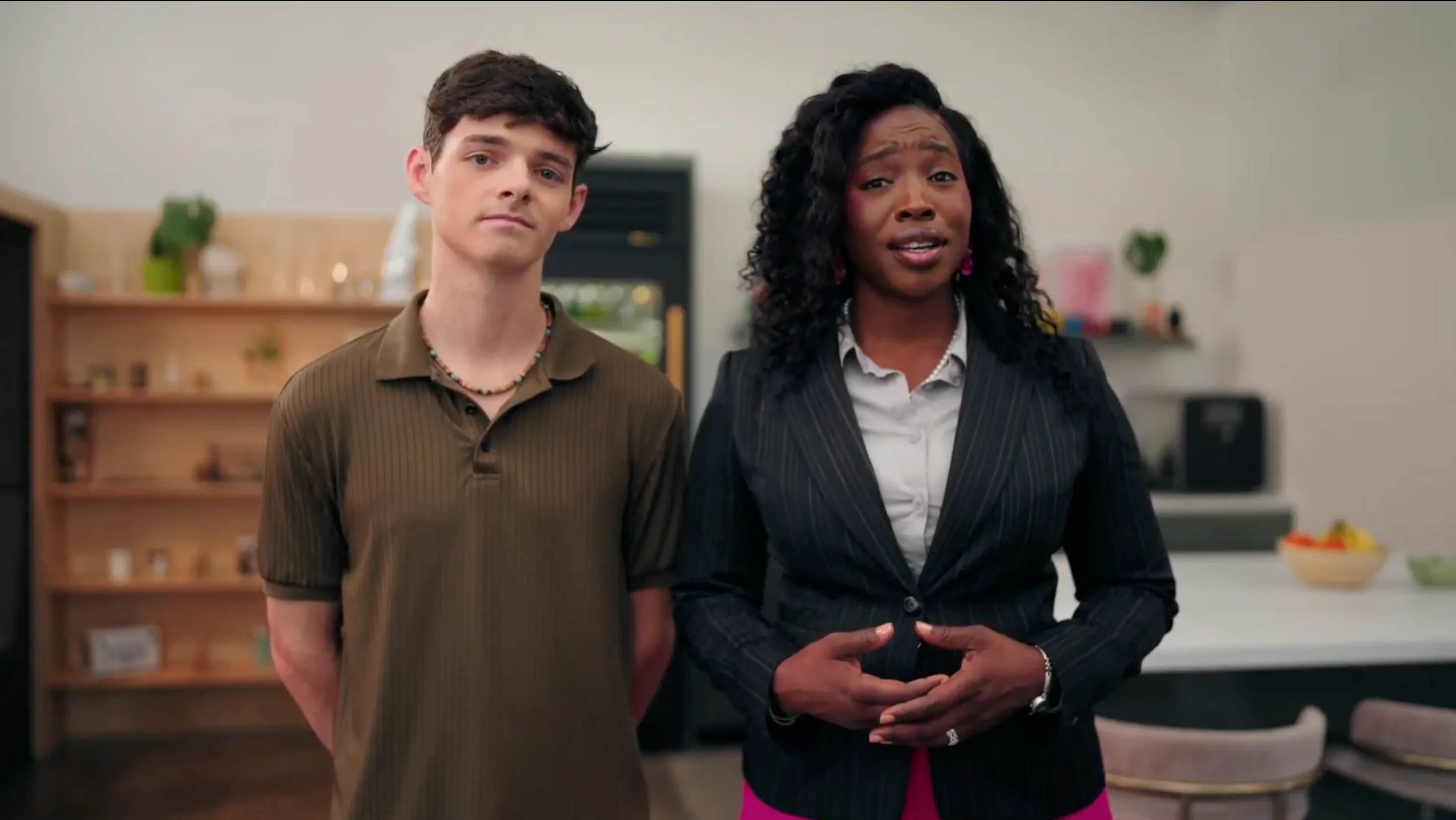
Naomi shares what she learned at the end of Bridging Worlds: The Culture of Giving Constructive Feedback at Work
How should teams or managers use these courses in real life?
LD: “Do you want to use it within an individual one-on-one growth opportunity? Or do you want to use it as a team activity, like in a meeting or at an offsite event? And then, the second thing is choose the course that's the most important for your team. Do they need to communicate better? Do they need to make better decisions? Go through the course together as a team — it's kind of like a watch party. "
→ Want to plan your own watch party? Check out our blog on that very topic: Learn how to host a Bridging Worlds watch party.
How do the downloadable resources support the video experience?
LD: “The videos are more like implied learning. The downloadables provide a more explicit explanation of the characters' behaviors. It’s a jumping off point to step two of social learning.”
Find a downloadable guide in each course to deepen your learning.
Ready to bridge your world?
Whether you’re a leader, facilitator, or learner, Bridging Worlds gives you a new way to grow together.
.webp)