
More learning tools don't always mean better learning. Sometimes they mean more to manage. Different platforms, providers, and regional needs can quickly turn learning into a patchwork of disconnected resources.
A connected learning ecosystem brings the pieces together, making training easier to manage and more relevant to the people who need it. You don't have to start from scratch.
What is a learning ecosystem?
A learning ecosystem is the combination of technology, content, data, processes, and people that support learning across a company.
A learning management system (LMS) or a course library is one piece of it. The ecosystem is how those resources work together to deliver training, build skills, and support workforce development. The goal is to make the resources you already have work better together.
What makes a learning ecosystem connected?
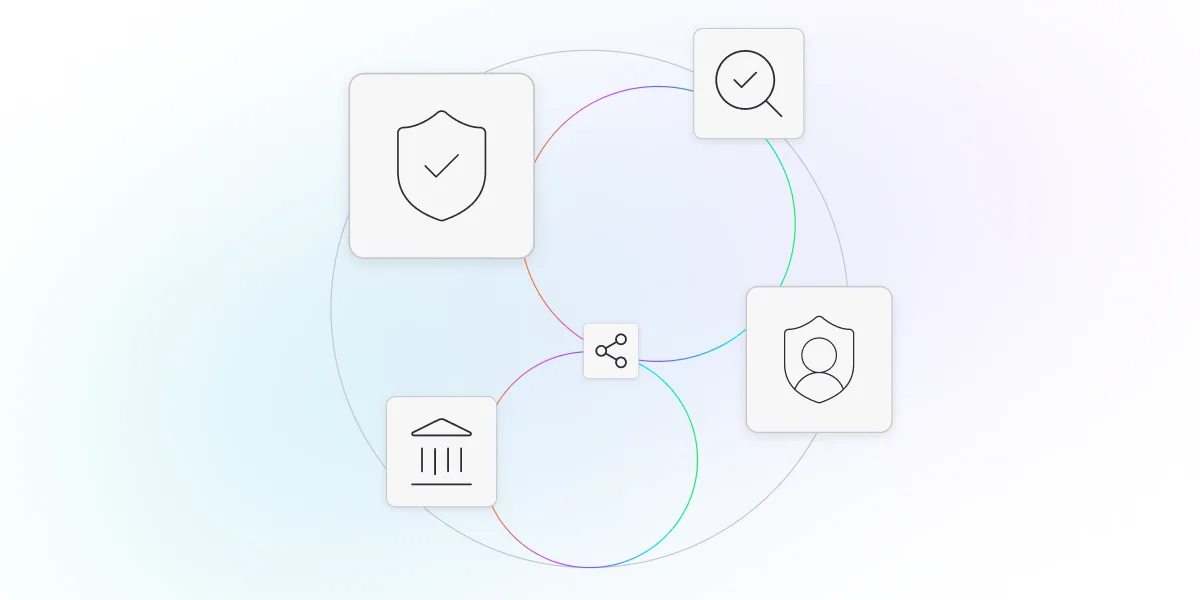
A connected ecosystem brings five key elements together:
- Learning content: Courses, certifications, and other experiences that support required training, essential skills, and workforce development.
- Technology and systems: Learning platforms, HR technology, and integrations that help employees access training through familiar systems.
- Skills and learning data: Information about roles, capabilities, learning activity, and development needs that helps guide decisions.
- Governance and reporting: Shared standards for content quality, administration, mandatory learning, and visibility across teams.
- Expert support: L&D teams, managers, local learning leaders, and partners who help turn learning resources into useful experiences.
When the pieces connect, learning becomes easier to find, deliver, manage, and improve.
Is your learning ecosystem working together?
You don't need a complete technology overhaul to make progress. Start with five questions:
- Are we buying similar content from multiple providers?
- Can employees find relevant learning in their language and role?
- Do our systems make training easy to deliver and track?
- Can we see learning activity across teams and locations?
- Do local teams have the flexibility to meet their needs?
If you can't answer these questions easily, you've found a good place to start.
How a connected learning ecosystem works
A global company may need common standards for technology, reporting, and content quality. Employees in different countries, roles, and work environments also need learning that makes sense for them. The work is deciding what to share, what to adapt, and what to personalize.
A shared foundation creates consistency. Local flexibility makes learning relevant. Personalization helps people find what matters to their work.
What does this look like in practice?
Imagine a company introducing manager development across several countries. The business wants consistent leadership expectations. But managers work in different languages, cultures, and environments.
A connected ecosystem helps the company:
- Share common leadership skills, content standards, and reporting.
- Adapt learning with local languages, examples, and workplace context.
- Personalize development based on each manager's role, experience, and skills.
Managers get learning that fits their work. L&D teams get a clearer view of what's happening across the company. The result is relevant learning built on a shared foundation.
Connected learning in the real world
Getz Healthcare shows what this looks like.

Operating across 10 Asia-Pacific markets, the company connected its learning approach while keeping local teams involved. Shared learning resources, multilingual content, and local Learning Champions helped support consistent development across the region.
The company reported a 93% course completion rate and 4.5 out of 5 learner satisfaction.
The takeaway: a shared approach can create consistency while local teams keep ownership.
Read the Getz Healthcare story.
Why does a connected learning ecosystem matter?
Here's what changes when the pieces connect:
- Efficiency: Reduce duplicated content, suppliers, technology, and administrative work.
- Governance: Create clearer standards for learning quality, ownership, and reporting.
- Compliance: Manage required training, track completion, and make documentation easier to access for audits.
- Visibility: See who has access to learning, what employees are using, and where gaps remain.
- Speed: Respond more quickly when regulations, technology, or workforce needs change.
For L&D teams, that means less time managing disconnected resources and more time on the learning people need.
Build a stronger learning foundation
A connected ecosystem starts with understanding what you already have, identifying what's missing, and simplifying what isn't working.
Start small. Focus on a learning need that matters to your business. Then build on what works.
OpenSesame helps companies bring together curated content, flexible delivery, and expert support through their existing learning systems. Courses are available in 70+ languages, can be deliver into all major LMS and HRIS platforms, and our curators and customer success experts work alongside your team.
Better learning comes from making the right pieces work together.
Ready to connect the pieces?
Explore how a shared learning foundation can reduce complexity while keeping training relevant across countries, roles, and teams.
One foundation. Many learning experiences. A more capable global workforce.
Get the practical roadmap for global consistency and local relevance.